How to Identify Plants With AI From a Photo

Garden design writer at FlorAI
Updated · 8 min read
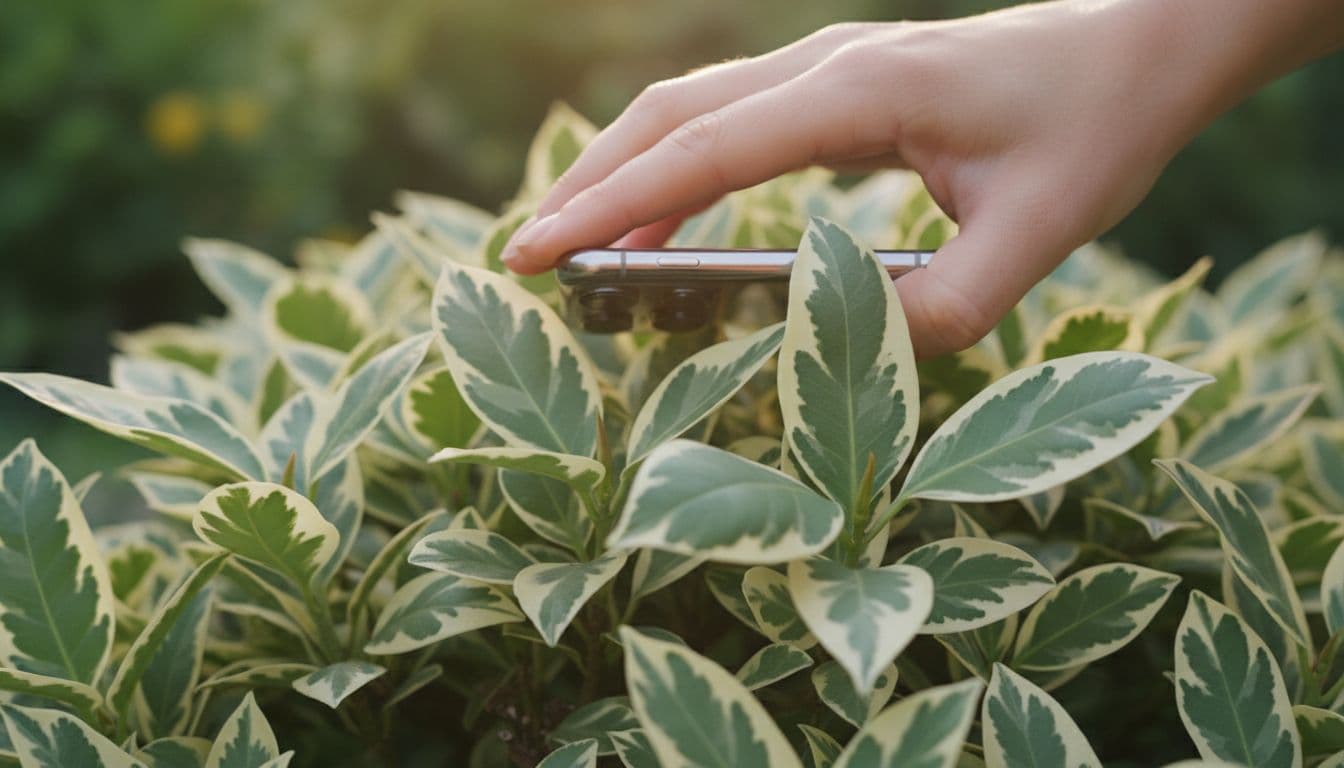
You identify plants with AI by photographing a single leaf, flower or whole plant in even light, then letting an image-matching model compare it against a reference database of tens of thousands of species and rank the closest visual matches. Treat the top result as a confident guess, not a certainty, until you check it against an independent source such as the Royal Horticultural Society's Plant Finder. FlorAI's AI Plant Scan works this way: point a phone camera at any plant in the garden and it returns a likely species along with basic care guidance in a few seconds.
How Do You Identify Plants With AI From a Photo?
The model behind almost every plant identification app is a convolutional neural network trained on millions of labelled photographs, one of the standard architectures for image recognition. It never "sees" a plant the way a botanist does; it converts an image into a set of numeric features, learned from training data, and measures how close those features sit to every species in its reference set. The output is not one answer but a ranked shortlist, usually with a confidence score attached to each candidate. A high score on the top result means the photo strongly resembles many confirmed examples of that species. A flat spread across several candidates means the photo is ambiguous, often because two related species look nearly identical in the part you photographed.
In practice, the sequence is the same across most tools, including FlorAI's AI Plant Scan:
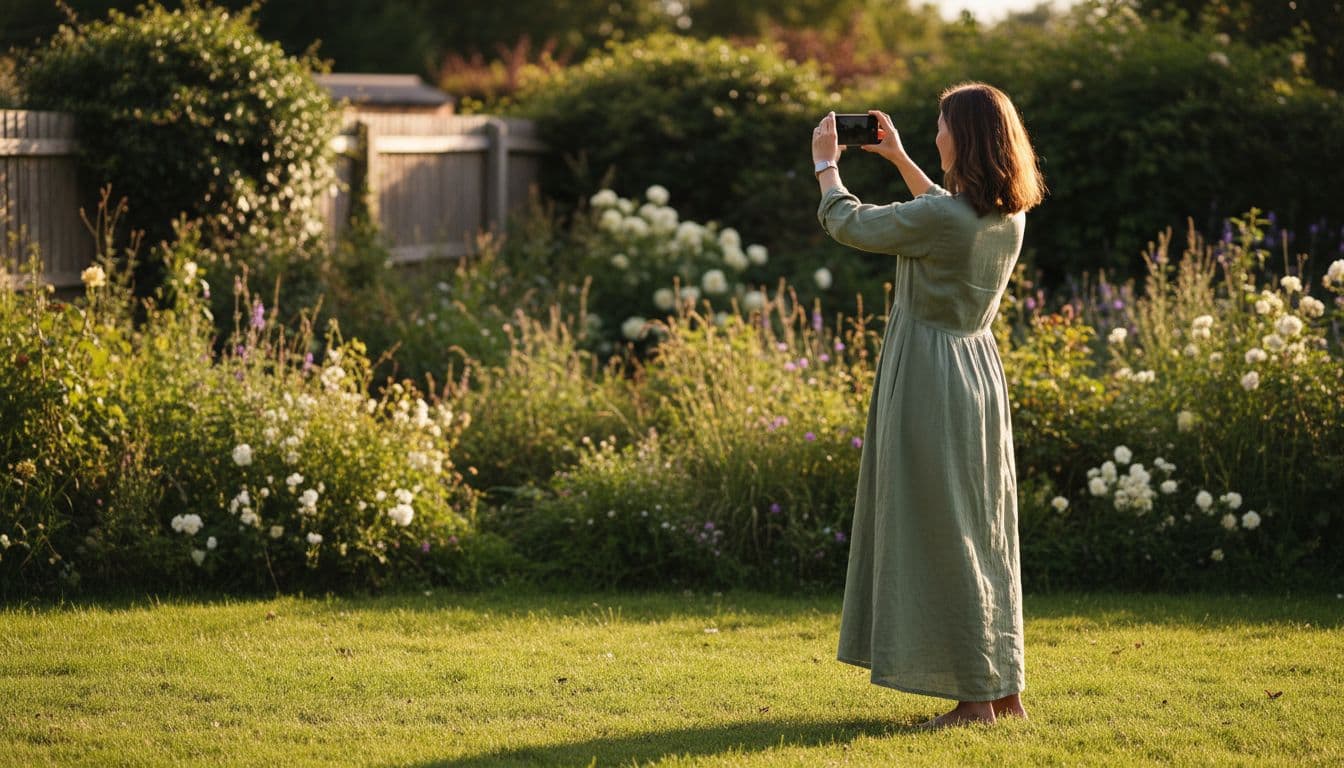
- Photograph one plant, filling as much of the frame as you can with the clearest distinguishing feature: a flower in full bloom, or a leaf if nothing is flowering.
- Submit the photo and let the model return a ranked list of candidate species, not a single forced answer.
- Read the confidence level, if the app shows one, rather than trusting only the top name.
- Check the top match against its typical leaf shape, flower colour and mature size before deciding it is correct.
- Take a second photo of a different part of the plant if the first result looks uncertain, since a leaf-and-flower pair resolves far more cases than either alone.
What Makes a Plant Photo Identifiable?
A photo that is easy for a person to admire is not automatically easy for a model to classify. The features that actually carry information are shape, edge detail, colour and pattern, and every one of them is destroyed by the same handful of mistakes: motion blur, a background as busy as the subject, and light so harsh it blows out the exact edges the model needs. Good identification photos share a short list of traits.
- One plant, one photo. Fill the frame with a single specimen rather than a border, so the model is not asked to average several species at once.
- Even, natural light. Overcast daylight or open shade shows true colour and leaf texture; harsh midday sun and indoor bulbs both distort it.
- A distinguishing feature in focus. A flower, if there is one, otherwise a whole leaf photographed flat rather than at an angle.
- A plain or blurred background. A hand, a patch of soil or an out-of-focus lawn behind the plant keeps the model's attention on the subject.
- No cropping of the diagnostic part. Cutting off half a flower or the leaf tip removes exactly the detail the match depends on.
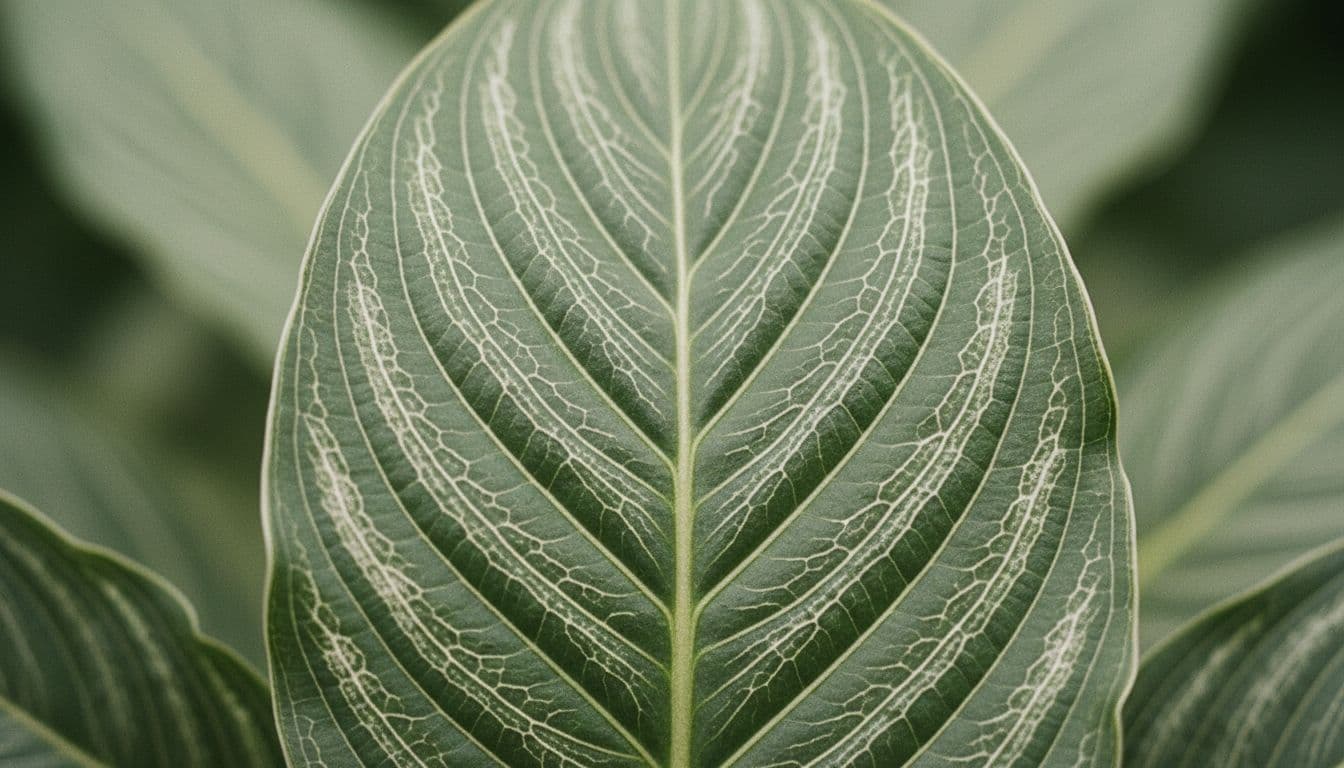
If a first scan comes back uncertain, the RHS suggests two practical fixes: photograph the underside of a leaf, which often shows distinctive vein patterns not visible from above, and retry in natural light rather than shade or artificial indoor lighting. Both changes address the same underlying problem — not enough usable detail reached the model the first time.
Leaf, Flower or Bark: What Should You Photograph?
It depends on what is available, but the parts are not equally informative. A peer-reviewed comparison published in Plant Methods tested identification accuracy across different plant organs and found flower photographs the strongest single input, reaching a top-1 accuracy of about 88% averaged across species, against roughly 77% for a photo of the entire plant. Leaf-only photos landed in between, and accuracy for the same forb species measured separately came out at 92.6% from flowers versus 84.9% from leaves. No organ was flawless: a flower carries colour, symmetry and structure that a leaf cannot, but a leaf is available for months longer than any bloom.
The strongest result in that research was not any single organ; it was combining views. Fusing a flower photo with a leaf photo of the same specimen pushed mean accuracy to about 93.7%, and adding a second flower angle brought it to roughly 95.8%. The researchers' conclusion is a genuinely useful rule for anyone using a phone in the garden: no single part of a plant carries every distinguishing feature, so two photos of different parts of the same specimen consistently beat one photo of either part alone.
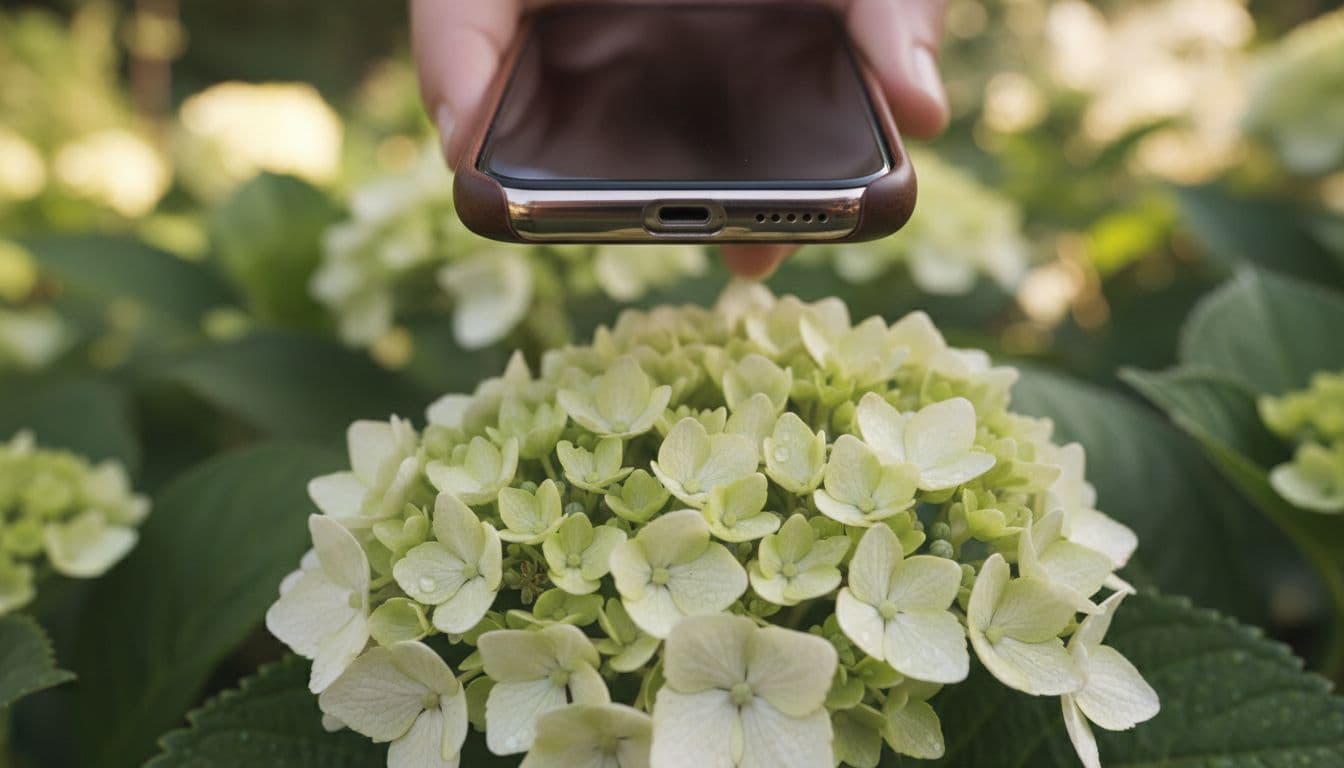
- Flowering: photograph the flower face-on first, then a leaf if the result feels uncertain.
- Not flowering: photograph a mature, undamaged leaf from above, then its underside if the top-side scan is inconclusive.
- Woody and leafless: bark pattern and overall branching shape are the only options, and accuracy on these alone is the lowest of the three — treat any result as a starting point rather than an answer.
How Accurate Is AI Plant Identification?
Accurate enough to be genuinely useful for a hobbyist, and not accurate enough to skip verification for anything that matters. The Plant Methods research above put combined-view accuracy in the mid-90s percent for controlled test photographs of known species — a strong result, but one measured under favourable conditions: a clear specimen, a competent photographer, and species that were represented in the training data to begin with. Real garden photos are messier, and a plant that is a hybrid cultivar, a young seedling, or simply rare in the training set will score lower than the headline number suggests.
Scale matters more than any single design choice in the model. An identification tool trained on a large, continually growing set of confirmed photographs, spanning tens of thousands of species, keeps improving as more people submit and verify observations; one trained on a small, static set does not. That difference is also why identification works far better for common garden plants and widespread wildflowers, which are heavily represented in training data, than for obscure regional species with few reference photos.
Where Does AI Plant Identification Go Wrong?
Four situations reliably trip up an otherwise good model, and it helps to recognise them rather than assume the app is simply broken.
- Look-alike species. Many garden plants have close relatives that differ only in a detail the photo did not capture — a leaf serration, a flower centre colour, a number of petals.
- Cultivated varieties. A named cultivar bred for double flowers, variegated leaves or an unusual colour can look strikingly different from the wild species the model was mostly trained on.
- Juvenile growth. A seedling's first leaves often look nothing like its mature foliage, so a young plant is one of the harder identification cases regardless of app.
- Poor source photos. Blur, backlighting and a cluttered background remove exactly the detail the model relies on, and no amount of processing recovers information that was never captured.
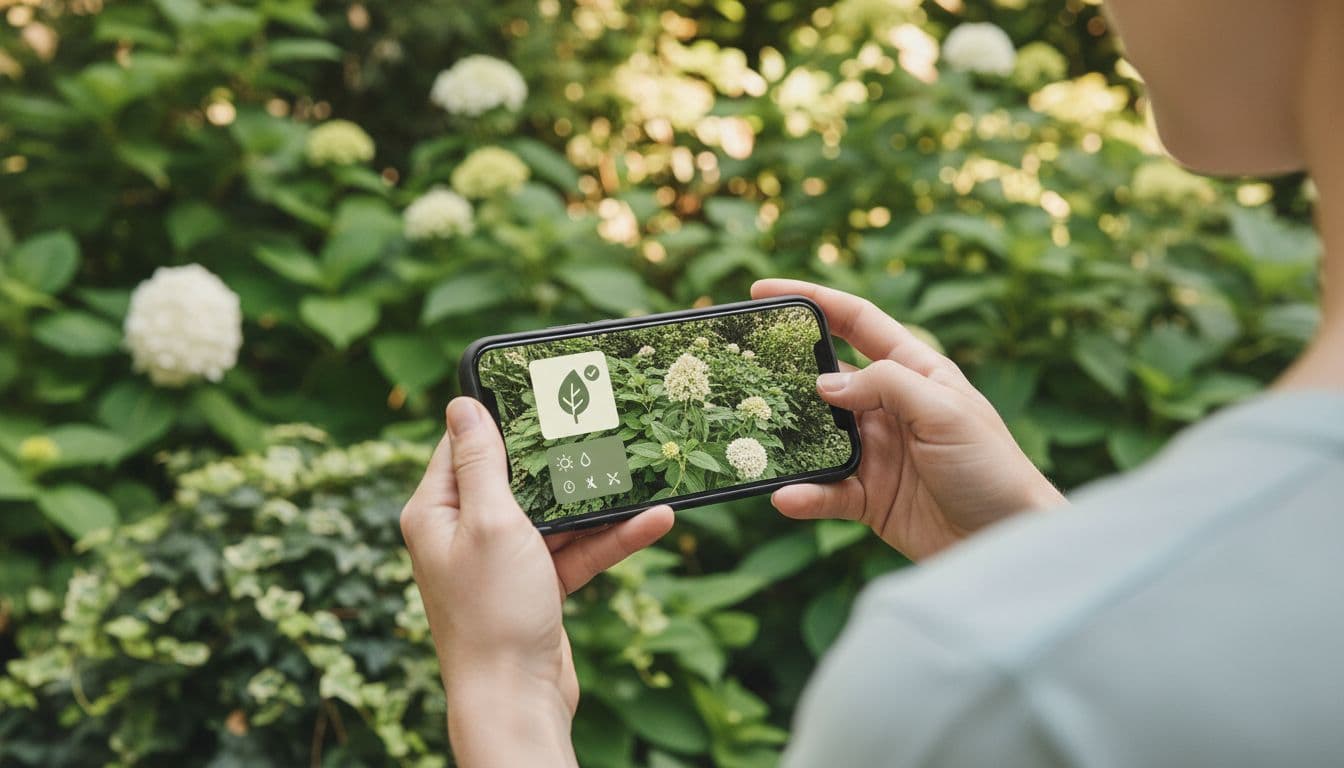
None of this makes AI identification unreliable for its intended use — a fast first guess about a plant already in front of you. It does mean the result is a starting point for the next section, not the end of the process.
Identify the plants already in your garden
FlorAI's AI Plant Scan names a plant from a photo and gives basic care guidance in seconds, and AI Plant Health flags common issues in a struggling one. Both sit in the same free app used for photo-based garden design — download it for iPhone, Android or the web.


Version 1.1.1 · 132 MB
How Do You Confirm an AI Plant ID?
Treat the app's answer as a lead, then close it out with an independent check. This takes a few minutes:
- Search the suggested name in RHS Plant Finder, which covers more than 35,000 plants with photographs and growing details, and compare leaf shape, flower colour and mature size against your specimen.
- Sanity-check the suggested species against the USDA Plant Hardiness Zone Map if it claims to be a plant that should not survive your climate outdoors — a match that is implausible for your zone is a sign of a misidentification, not an exotic discovery.
- If it is still unclear, or the plant might be toxic or invasive, show the photo and the suggested name to a local nursery, garden centre or extension service — a second, human opinion resolves most remaining doubt.
- When a result still feels wrong, take a second photo of a different part of the plant and try again — a leaf-and-flower pair resolves cases that either photo alone leaves ambiguous.
If RHS Plant Finder confirms the match and the species fits your climate and what you already know about the plant, that is a reasonable basis for everyday gardening decisions such as watering, feeding or where to place a container. It is not a substitute for expert confirmation in the cases covered next.
Why Identifying Toxic and Invasive Plants Correctly Matters
Most misidentifications cost nothing more than a wrong care routine. A small number carry real consequences, and those are exactly the cases where a quick app result is the wrong place to stop. Never eat any plant, berry or mushroom on the strength of an AI identification alone — look-alike species are common in exactly the families that include edible and toxic members, and a wrong guess there is not a minor inconvenience. If a pet or child may have eaten something from the garden, treat it as a health question first and an identification question second, and contact a poison control service or veterininary line rather than waiting on an app to confirm the plant. The same caution applies before removing anything an app flags as invasive: check the result against a regional extension service or the RHS before pulling out a plant that might, in fact, be a wanted native.
For everything else — naming a self-seeded plant that turned up in a border, checking whether a shrub is the one you think you bought two years ago, or working out what a previous owner planted along a fence line — a confirmed AI identification is genuinely useful information, and it feeds directly into deciding what to keep, what to move and what a new design around it should look like. FlorAI's AI garden design uses exactly that plant list to plan a redesign that works with what is already growing rather than around unknowns, and the before-and-after comparison shows the result against your real garden photo. The step-by-step process for turning one photo into a full layout is covered in AI garden design from a photo, and how to plan a garden layout covers what to do once you know exactly what is already growing.
Frequently Asked Questions
How do you identify plants with AI from a photo?
Photograph a single plant in even natural light, with a flower or a clear leaf filling most of the frame, and let an image-matching model such as FlorAI's AI Plant Scan compare it against a reference database of species. Treat the top result as a confident guess and confirm it against an independent source like RHS Plant Finder before acting on it.
How accurate is AI plant identification?
It varies by what you photograph. A peer-reviewed study in Plant Methods found flower photographs reached about 88% accuracy on average versus roughly 77% for a whole-plant photo, and combining a flower photo with a leaf photo of the same specimen pushed accuracy above 95%.
Should I photograph the flower or the leaf to identify a plant?
The flower first, if the plant has one, since research shows flower photographs are generally the more reliable single input. If nothing is flowering, photograph a mature, undamaged leaf from above and, if the result is uncertain, its underside as well.
Can AI plant identification tell me if a plant is poisonous?
Do not rely on it for that. Look-alike species are common in exactly the plant families that include both edible and toxic members, so a wrong AI guess in that situation is not a minor error. Never eat any plant, berry or mushroom based on an app identification alone, and treat a suspected ingestion by a child or pet as an urgent health question first.
What is the most reliable free way to double-check an AI plant identification?
Search the suggested name in RHS Plant Finder, which is free and covers more than 35,000 plants with photographs and growing details, and compare leaf shape, flower colour and mature size against your own specimen. If it is still unclear, or the plant might be toxic or invasive, ask a local nursery, garden centre or extension service to confirm it in person.
AI plant identification, used well, is a fast first answer that you confirm rather than a verdict you accept outright. A clear photo of a flower or leaf, a cross-check against RHS Plant Finder, and a moment's caution before eating or removing anything gets the balance right. FlorAI's AI Plant Scan is built for exactly that everyday use, free to try on iPhone, Android and the web.
Sources
- Help, advice and tips on all kinds of plants — Royal Horticultural Society,
- RHS Plant Finder — Royal Horticultural Society,
- 2023 USDA Plant Hardiness Zone Map — USDA Agricultural Research Service,
Read next