AI Garden Design vs Landscape Designer: How to Choose

Garden design writer at FlorAI
Updated · Published · 10 min read
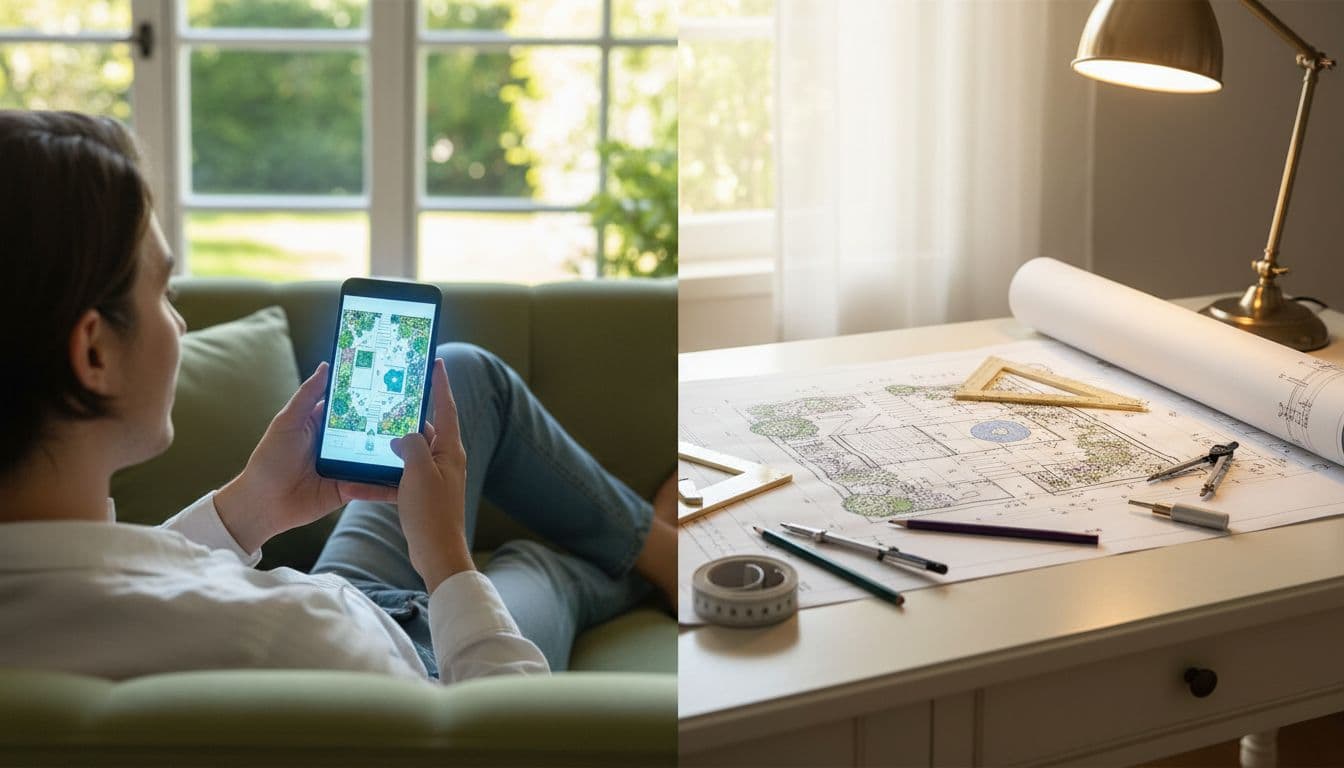
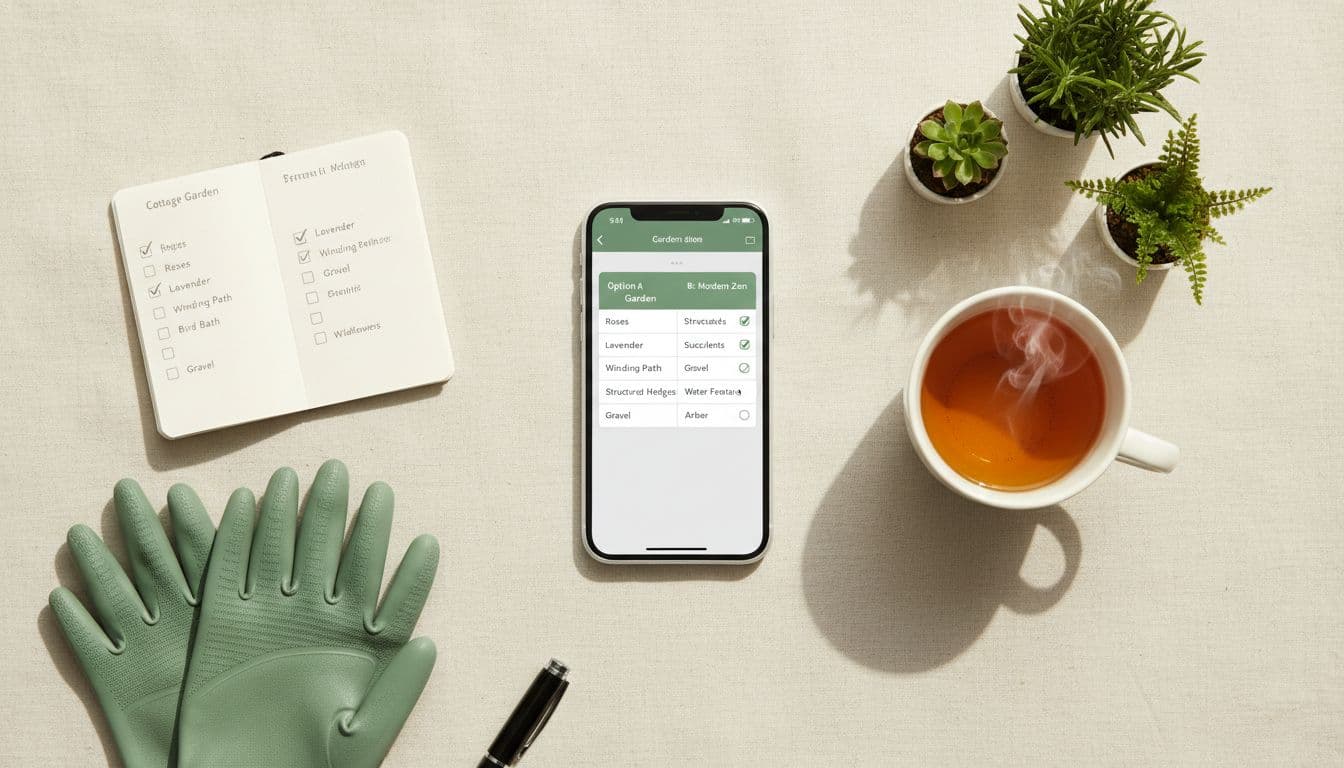
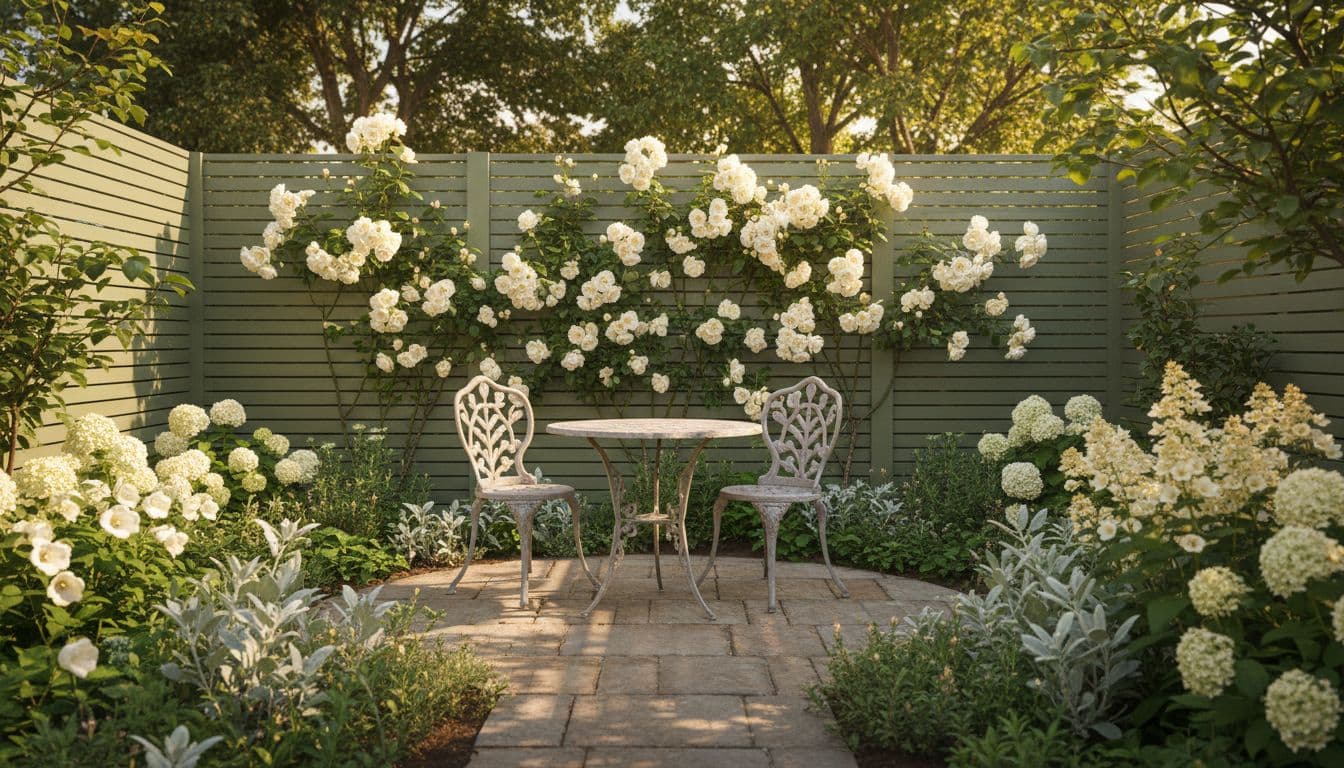
AI garden design vs landscape designer is not really a contest — the two answer different questions, and most home projects need both answers, in order. An AI garden design app like FlorAI turns one photo of your yard into a photorealistic new layout in seconds, which is exactly what you want while you are still deciding what the space should look like. A landscape designer earns their fee on the part no image can do: reading your soil, drainage, ground levels and local planning rules, then producing something a contractor can build without guessing. The short version — use an app to decide, use a professional to build.
AI Garden Design vs Landscape Designer: What Actually Differs?
The honest difference is not quality, and it is not taste. It is what each one is accountable for. An app is accountable for showing you a convincing picture of a possible garden. A professional is accountable for a plan that survives contact with rain, frost, subsoil and a building inspector. Those are different jobs, and they fail in different ways: a bad AI design wastes an afternoon, while a bad build plan wastes a season and a lot of money.
| What matters | AI garden design (FlorAI) | A hired landscape designer |
|---|---|---|
| What you get | A photorealistic image of your own space restyled | Measured drawings, planting schedule, specification |
| Speed | Seconds per design, same afternoon for a shortlist | Weeks — survey, concept, revisions, final plan |
| Starting cost | Free to start | Billed hourly, per package or as a share of build cost |
| Number of directions you can test | Effectively unlimited on the same photo | Usually one or two concepts per commission |
| Site data used | What is visible in your photograph | Soil, levels, drainage, aspect, services, local rules |
| Handles permits and engineering | No | Yes, or coordinates the people who do |
What Does Hiring a Designer Actually Cost in 2026?
Nobody publishes a single national price, because garden design is not sold as a single product. Practices bill in one of three ways, and the first thing worth doing is simply asking which one you are being offered.
- Hourly. Common for consultations, planting plans and small advisory jobs. Good when the scope is genuinely small; risky when it is vague.
- Fixed fee per package. A defined deliverable — survey, concept plan, planting schedule, construction drawings — for an agreed price. Easiest to compare between practices.
- Percentage of construction cost. Normal on larger builds. It aligns the designer with the project but means the fee moves when the build scope moves.
For a sense of the underlying labour cost, the US Bureau of Labor Statistics puts the median wage for landscape architects at $79,870 a year, or $38.40 an hour, in May 2025, with the lowest tenth under $54,770 and the highest tenth above $130,190. What a practice charges a client sits well above the wage it pays, because the rate also has to carry insurance, software, site visits and unbilled time — so treat the wage figure as a floor for reasoning about fees, never as a quote. Around 17 percent of the 23,500 landscape architects counted in 2025 were self-employed, which is why a solo designer and a multi-person practice can quote very differently for the same garden.
The cost that actually stings is rarely the fee. It is paying for a design you decide you dislike after it is drawn. That is the specific risk an AI tool removes, and it is why testing directions first with before-and-after comparison tends to save more than it costs.
When Is an AI Garden Design App Enough on Its Own?
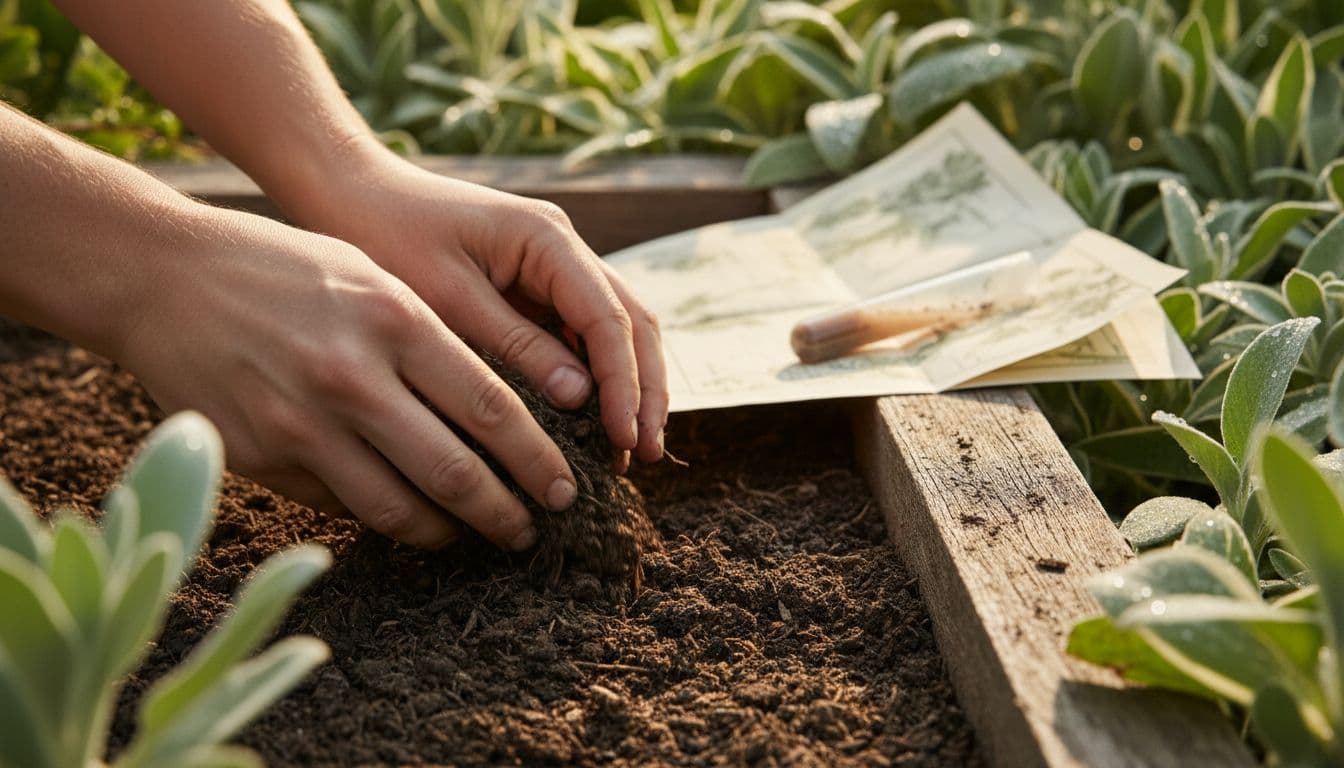
An app can carry a project the whole way whenever the work stays inside the existing shape of the garden. If nothing is being dug deeper than a planting hole and nothing is holding back soil or water, you are in visual-planning territory, and a photo-based design is a perfectly serious way to plan it.
- Replanting borders, or swapping a tired shrub layer for something with better structure and longer season.
- Restyling an existing patio or terrace with different furniture, pots, screening and lighting.
- Choosing between garden styles — modern, cottage, Japanese, Mediterranean — before committing, which you can preview in the garden style library.
- Balconies, courtyards and small gardens where the boundary is fixed and the whole job is planting and furniture.
- Front gardens where the change is surface treatment and planting rather than levels or access.
The practical test is simple: if a competent gardener could execute your plan with hand tools over a few weekends, you almost certainly do not need to commission drawings. The step-by-step version of that workflow is covered in how to redesign a backyard with AI, and the compact-space version in AI garden design for a small backyard.
When Do You Genuinely Need a Human Professional?
There is a clear line, and it is worth stating plainly rather than blurring it to flatter the app. Once a project moves earth, holds back earth, moves water, or triggers a regulation, it needs a qualified person who is professionally accountable for the answer.
- Changing ground levels. Cut-and-fill alters where water goes. The EPA notes in its WaterSense landscaping guidance that slopes are a standing risk for erosion and runoff, and that deep-rooted planting is used deliberately to stabilise them.
- Retaining walls. Anything holding back a bank is a structure carrying load, not a garden feature.
- Drainage and stormwater. Where water leaves your garden is a legal question as much as a technical one, especially near a boundary.
- Pools, ponds and significant excavation. Depth, safety and services all need to be designed rather than sketched.
- Anything with a permit trigger. In England, for example, garden decking only falls under permitted development if it sits no more than 30 cm above ground level and the platform, together with other outbuildings and extensions, covers no more than half the garden — per the government's permitted development technical guidance. Raise the deck and you have changed the legal category of the job.
- Trees. Mature trees can carry statutory protection, and their root plates constrain everything you can build near them.
Landscape Designer or Landscape Architect — Which Are You Hiring?
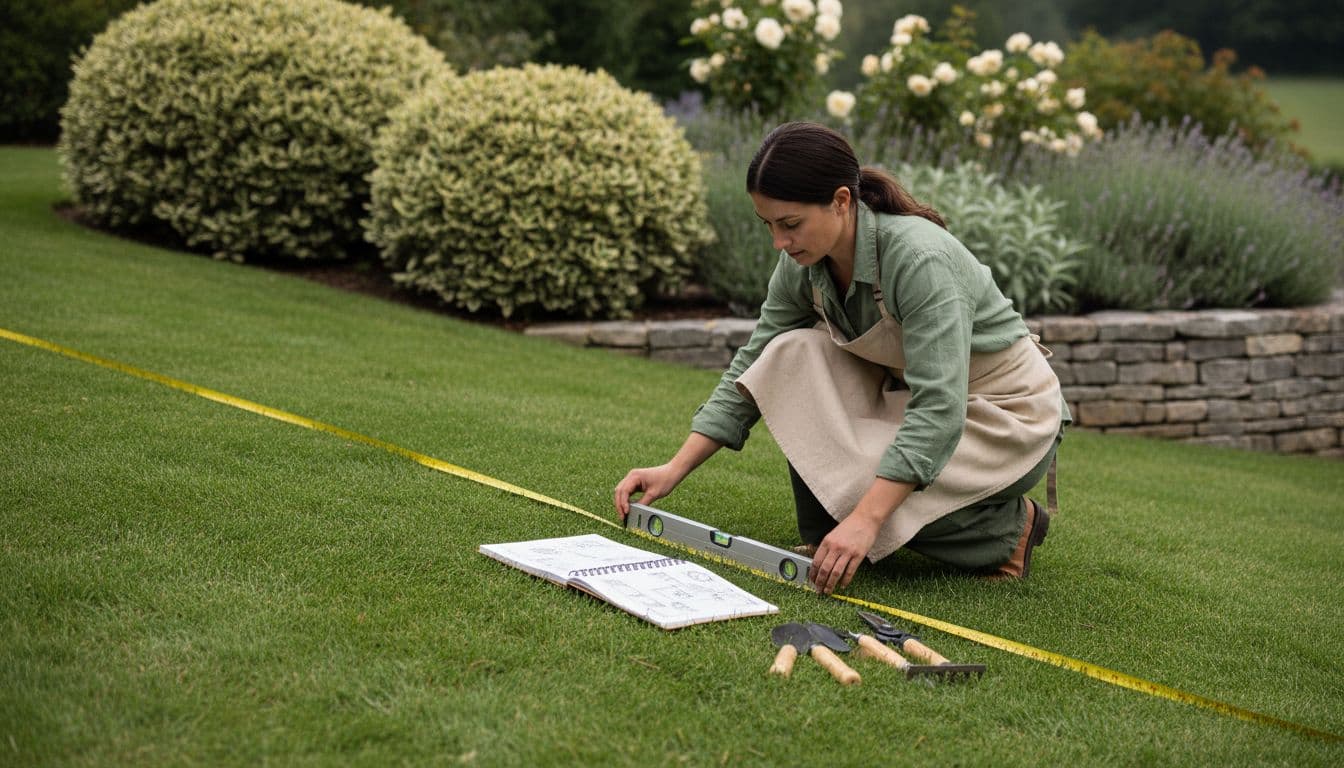
This distinction costs homeowners real money, and almost nobody explains it before the first invoice. In the United States, landscape architects are licensed in all fifty states, and licensure normally requires an accredited degree, supervised experience and a passing exam; several states add their own paper on local conditions such as earthquakes or hurricanes. The title landscape designer, by contrast, carries no legal degree or licensing requirement, which — as the Wikipedia overview of landscape design puts it — leaves a very wide range of expertise trading under the same words.
That is not an argument against designers. Many of the best residential gardens are made by unlicensed designers with decades of planting knowledge that no exam tests. It is an argument for asking directly: what are you qualified to sign off, and what will you hand to an engineer? A good practitioner answers that question happily. In the UK the equivalent marker is chartered membership of the professional body, which takes roughly seven years of study and supervised practice to reach.
- Ask which parts of the plan they will stamp or certify, and which they will subcontract.
- Ask whether the fee includes a site survey or assumes you supply measurements.
- Ask how many revisions the fee covers — this is where budgets quietly overrun.
- Ask for two built projects on a site with similar soil, aspect and slope to yours.
What Can an AI Design Not See About Your Site?
A photograph carries a surprising amount of information — boundaries, orientation of shadows, existing hard surfaces, the scale of a door or a fence panel. It carries almost nothing about what is under the surface, and being clear about that gap is what keeps an AI design useful rather than misleading.
- Soil texture and pH. The EPA recommends testing for nutrient content, pH, composition and organic matter, and points homeowners to their local Cooperative Extension office for a kit — heavy clay, very sandy ground or an extreme pH will overrule any planting plan drawn from a picture.
- Winter minimums. A design that looks right says nothing about whether a plant survives February; the USDA Plant Hardiness Zone Map is built on average annual extreme minimum winter temperature and is the standard cross-check before you buy anything perennial.
- Where water actually sits after a week of rain, which no single photograph taken on a dry day can show.
- Buried services — drains, cables, soakaways — which decide where you can dig and where you cannot.
- Frost pockets, wind funnels and reflected heat from walls, all of which change what thrives in a spot that looks identical to the one beside it.
This is a known limitation of remote design generally, not a quirk of any one tool: designing from images alone means working without soil assessments, so the safest plant choices are the ones tolerant across a wide range of conditions. Group plants with similar water needs together — the EPA calls these hydrozones — and you buy yourself margin for the things the photo did not tell you. A fuller account of what a photo does and does not carry is in AI garden design from a photo.
Decide the look before you book the consultation
Upload one photo of your garden and let FlorAI generate several finished directions in minutes — free to start on iPhone, Android and web, so you arrive at any professional conversation already knowing what you want.


Version 1.1.1 · 132 MB
How Do You Use Both Together, in the Right Order?
The sequence that wastes the least money is the same one professionals quietly prefer, because it hands them a decided client instead of an undecided one.
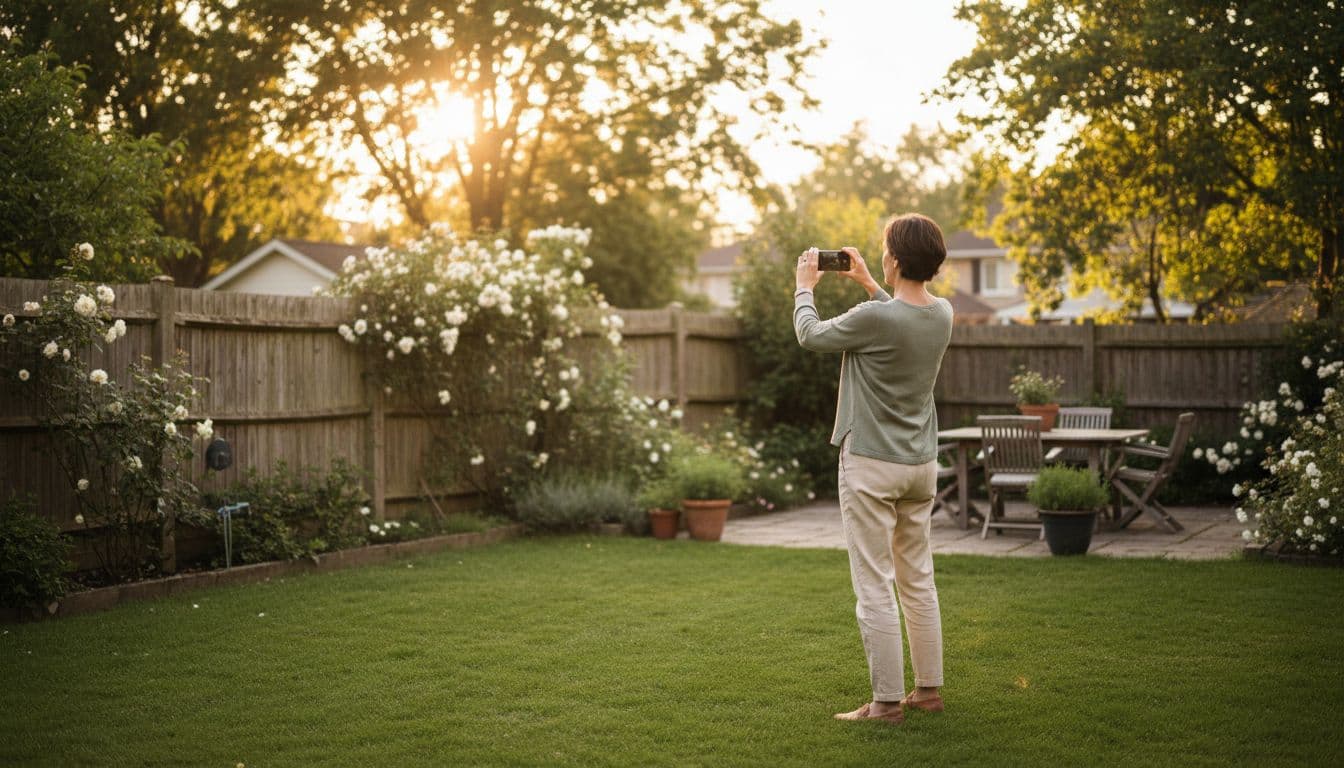
- Photograph the space from the two or three viewpoints you actually use it from — the back door, the seating spot, the kitchen window.
- Generate several designs in different styles and let them sit for a day. The one you keep reopening is usually the answer.
- Save two or three favourites, including one you like for a reason you can name out loud.
- Write down the parts that involve levels, water, walls or permits. That list is your professional brief.
- If the list is empty, buy plants and start. If it is not, book a consultation and bring the saved designs.
- Let the designer spend their billed hours on making the look buildable rather than on discovering what you like.
Homeowners who do this consistently report a shorter discovery phase and fewer paid revisions, because the ambiguity that revisions exist to resolve has already been resolved for free. If you are still weighing up whether an app belongs in your process at all, the best AI garden design app guide sets out the criteria that matter, and the AI garden design apps comparison checklist turns them into questions you can ask of anything you try.

Frequently Asked Questions
Should I use an AI garden design app or hire a landscape designer?
Use an AI garden design app first to settle the look for free, then hire a landscape designer if the project involves changing levels, drainage, retaining walls, a pool or anything needing a permit. The two are sequential rather than alternative: the app decides what you want, the professional makes it buildable.
How much does a landscape designer cost compared with an AI garden design app?
Designers bill hourly, as a fixed fee for a defined drawing package, or as a percentage of construction cost, so there is no single price. For context, the US Bureau of Labor Statistics put the median landscape architect wage at $79,870 a year, or $38.40 an hour, in May 2025; a practice bills a client above that to cover overheads. FlorAI is free to start.
What is the difference between a landscape designer and a landscape architect?
Landscape architects are licensed in all fifty US states, which normally requires an accredited degree, supervised experience and a qualifying exam. The title landscape designer has no legal education or licensing requirement, so ask any designer directly which parts of a plan they are qualified to certify and which they will pass to an engineer.
Is AI garden design accurate enough to plan a real project?
It is accurate enough for visual planning — testing styles, layouts, planting arrangements and furniture on a photograph of your actual space. It cannot read soil pH, drainage, buried services or ground levels, so structural and water-related decisions still belong to a qualified professional.
Can I show a landscape designer an AI garden design?
Yes, and it usually speeds the project up. Arriving with two or three saved designs replaces a vague verbal brief with something specific, which shortens the discovery phase and reduces the number of paid revisions you end up commissioning.
AI garden design vs landscape designer resolves cleanly once you separate the two questions: an app is the fastest, cheapest way to work out what you want, and a professional is the only responsible way to build anything that moves earth, holds it back or needs signing off. Start with a photo, decide the look for free, then spend professional fees only on the parts that genuinely need a licence and a site visit. You can see the outdoor space types FlorAI covers, or go straight to the download page and try it on your own garden this afternoon.
Sources
- Landscape Architects — Occupational Outlook Handbook — U.S. Bureau of Labor Statistics,
- Landscape design — Wikipedia
- Landscaping Tips — U.S. Environmental Protection Agency, WaterSense,
- Permitted development rights for householders: technical guidance — Ministry of Housing, Communities and Local Government (GOV.UK),
- 2023 USDA Plant Hardiness Zone Map — USDA Agricultural Research Service
Read next